Central Banks Are Buying Gold. Here Is What the Headlines Miss

“Central banks are buying” has become the four-word answer to almost every bullish gold argument. The underlying trend is substantial. The conclusion people bolt onto it—therefore gold cannot fall—is not.
The useful question is not whether official institutions buy gold. They do. The useful questions are how much they bought, whether the number is observed or estimated, why they bought, and what the market had already priced in.
The number behind the story
The World Gold Council’s full-year data estimated that central banks and other official institutions added 863 tonnes in 2025. That was historically elevated, but 21% below the prior year. Both facts matter. “Elevated” describes the level; “slower” describes the direction.
Its April 2026 outlook projected 700–900 tonnes of central-bank demand for the year. That is a forecast range, not a completed transaction. Its June survey then found strong expectations among participating reserve managers for global holdings to rise. That is sentiment evidence, not the same dataset as reported purchases.
Three claims that often get blended together should stay separate:
| Claim | What it measures | What it cannot prove |
|---|---|---|
| Reported net buying | Purchases minus sales over a completed period | Future demand |
| Forecast demand | A research estimate under stated assumptions | Guaranteed purchases |
| Reserve-manager survey | Intentions and views among respondents | Exact tonnes or timing |
Why central banks buy differently
A reserve manager is not a momentum trader. Central banks may care about diversification, liquidity during stress, sanctions exposure, currency confidence, and the absence of another issuer’s credit risk. Their time horizon and policy constraints differ from those of a household investor.
That distinction makes the signal important but awkward to copy. A central bank can add gold while accepting volatility that would be intolerable for somebody funding a near-term expense. It can also rebalance reserves after a price surge even while remaining strategically positive over a decade.
The spicy claim to reject
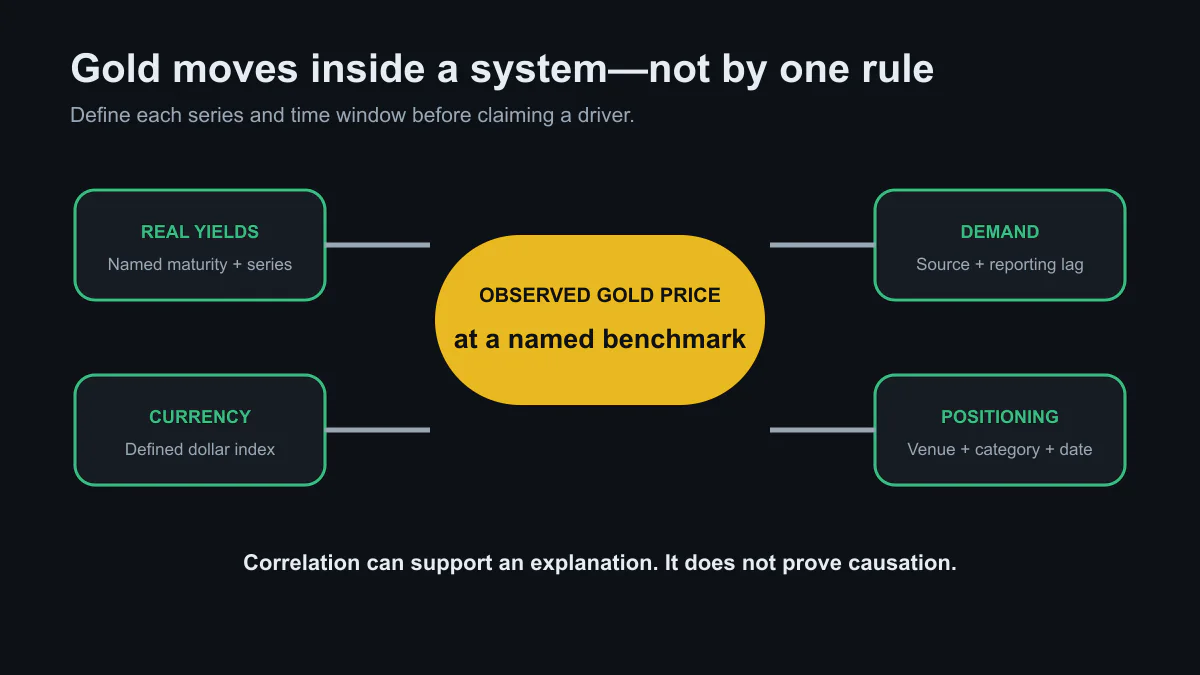
The weak version of the argument is: “Central banks know something, so buy before they do.” Much of the buying is reported after the fact, estimates may be revised, and official activity is only one part of the market. Investment flows, jewellery demand, recycling, mine supply, interest rates, the dollar, and crisis positioning can pull in different directions.
The World Gold Council’s 2025 dataset is a good example. Investment demand surged and official buying stayed high, while jewellery demand by weight fell sharply amid high prices. One headline cannot describe all three.
A better way to use the data
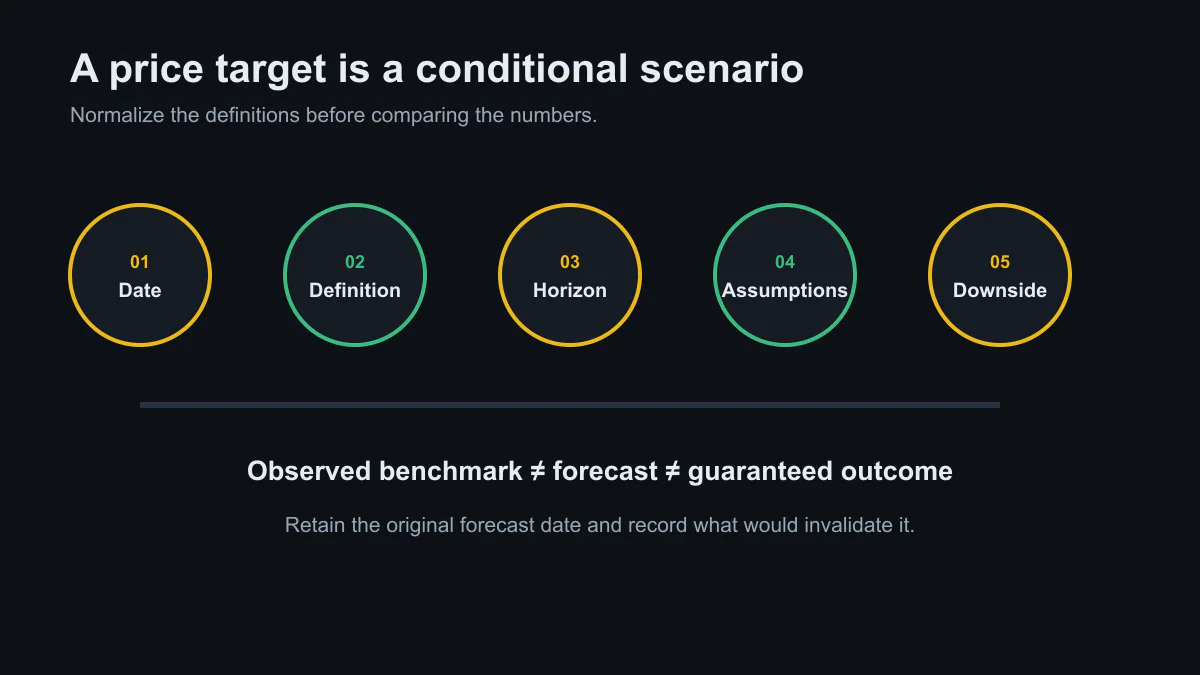
Before treating central-bank demand as a reason to buy, write down four items:
- Period: Is the number monthly, quarterly, or annual?
- Status: Is it reported, estimated, surveyed, or forecast?
- Direction: Is demand rising, falling, or merely high?
- Price context: Has the market already moved dramatically while the story spread?
Then test the opposite case. What if official buying remains positive but slows? What if a liquidity shock produces temporary sales? What if investment inflows reverse while central banks keep accumulating? A thesis that survives those questions is stronger than a screenshot of a bullish chart.
Sources and limits
- World Gold Council: Gold Demand Trends, full year 2025
- World Gold Council: Q1 2026 outlook
- World Gold Council: Central Bank Gold Reserves Survey
The World Gold Council is an industry body, and parts of its demand series rely on estimates. Use its methodology and definitions, not just the headline. This article is educational and is not investment advice.
Key takeaway
Central-bank gold demand is real and historically important. It is not a price guarantee. The honest bullish case gets stronger—not weaker—when reported purchases, forecasts, and survey intentions are kept in separate boxes.
central banksgold demandgold reserves2026 outlook